
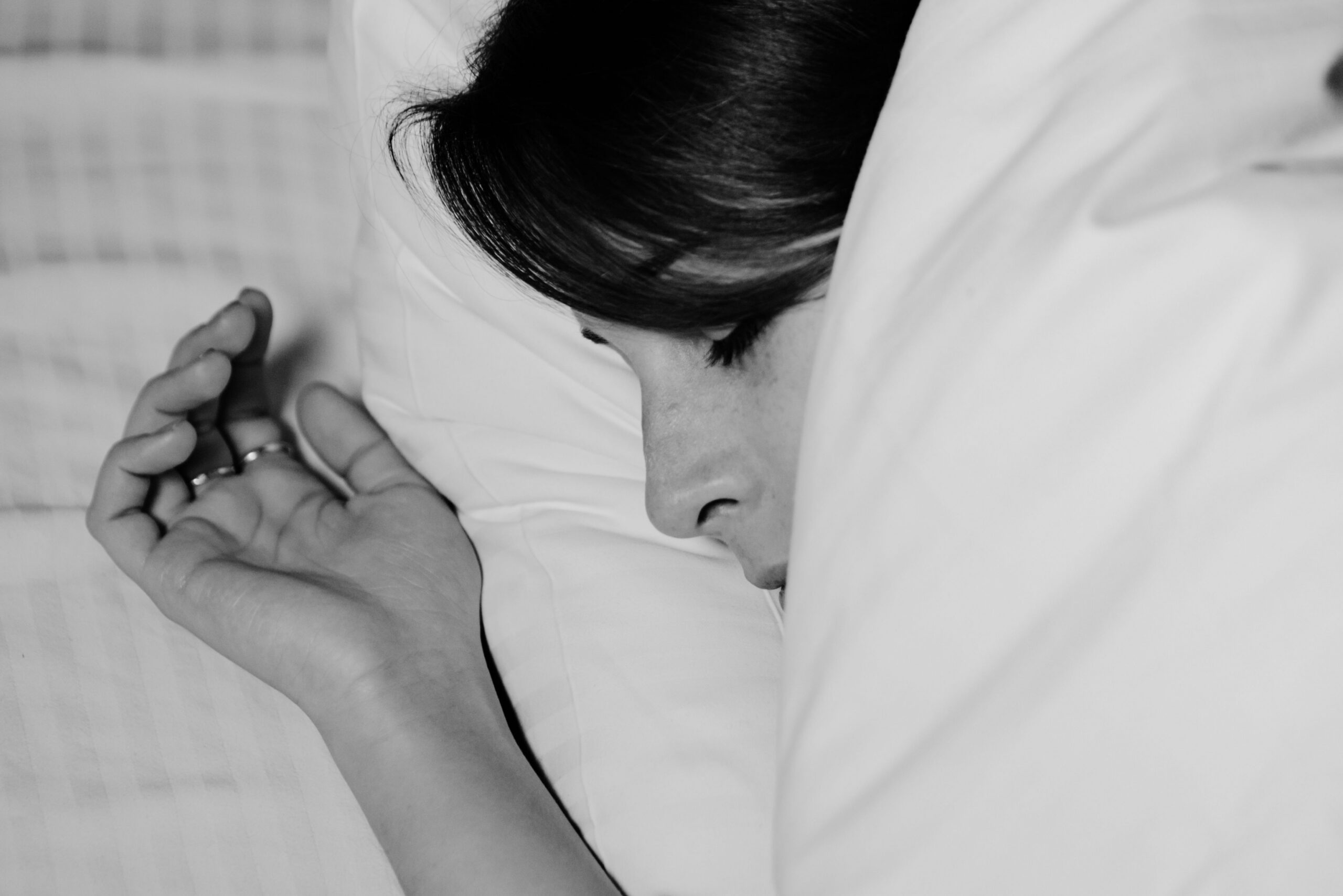
What Happens in the Brain During Sleep
Sleep and mental health are so closely connected that it is often difficult to determine which one is driving problems in the other. Poor sleep worsens anxiety, depression, and emotional regulation. Anxiety, depression, and stress make sleep worse. The relationship runs in both directions, which is why addressing sleep is frequently an important part of mental health treatment and why mental health issues so often show up in how and how well people sleep.
Through The Woods Psychological Services works with clients across New York City navigating both mental health challenges and the sleep difficulties that accompany them. Here is what you need to understand about how sleep and mental health interact and what you can do about it.
What Happens in the Brain During Sleep
Sleep is not simply a period of rest. It is a period of active biological work that the brain and body depend on for fundamental functions. During sleep the brain consolidates memories, processes emotional experiences from the day, clears metabolic waste products that accumulate during waking hours, and regulates the hormonal systems that govern mood, stress response, and appetite.
Different stages of sleep serve different functions. Slow wave deep sleep is critical for physical restoration and immune function. REM sleep, the stage in which most dreaming occurs, plays a central role in emotional processing and memory consolidation. When sleep is disrupted, shortened, or fragmented, these processes are interrupted and the effects extend well beyond simple fatigue.
How Poor Sleep Affects Mental Health
Inadequate or poor quality sleep affects emotional regulation in ways that are immediate and measurable. A single night of poor sleep increases emotional reactivity, reduces the prefrontal cortex’s capacity to regulate the amygdala’s threat responses, and narrows the cognitive flexibility needed to respond to stress constructively rather than reactively.
Over time, chronic poor sleep is associated with significantly elevated risk of developing depression and anxiety disorders. Research has consistently found that insomnia is one of the strongest predictors of future depression, and that people with chronic sleep problems are several times more likely to develop a major depressive episode than those who sleep well.
Poor sleep also impairs cognitive function in ways that compound mental health difficulties. Difficulty concentrating, impaired decision-making, reduced working memory, and increased negative thinking are all associated with sleep deprivation. For people already managing anxiety or depression, these cognitive effects make the mental health challenge significantly harder to navigate.
How Mental Health Affects Sleep
The connection runs equally strongly in the other direction. Anxiety produces hyperarousal of the nervous system that makes falling asleep and staying asleep difficult. A mind running through worries, anticipating threats, or replaying difficult experiences is not a mind that settles easily into restorative sleep. Many people with anxiety describe lying awake for extended periods with thoughts they cannot stop, or waking in the early morning hours with a rush of anxious thinking that makes returning to sleep impossible.
Depression affects sleep architecture directly, often producing either insomnia, particularly early morning waking, or hypersomnia, sleeping significantly more than usual without feeling rested. The fatigue that accompanies depression is not simply a consequence of poor sleep. It is partly a symptom of the depression itself, which makes the relationship between sleep, rest, and energy levels in depression particularly complex to address.
Trauma and PTSD disrupt sleep through nightmares, hypervigilance that prevents deep sleep, and the kind of light, interrupted sleep that keeps the nervous system partially activated even during rest. Addressing the trauma directly through therapy is often necessary before sleep improves significantly in people whose sleep disruption is rooted in unprocessed traumatic experiences.
Sleep Hygiene and Its Limits
Sleep hygiene, the set of behavioral practices that support consistent, restorative sleep, is a useful starting point for addressing sleep problems. Consistent sleep and wake times that stabilize the circadian rhythm, limiting screen exposure in the hour before bed, keeping the sleep environment dark and cool, avoiding caffeine after early afternoon, and limiting alcohol are all evidence-supported practices.
The limitation of sleep hygiene advice is that it addresses behavioral factors but does not reach the psychological processes that are often the primary driver of sleep difficulty in people with anxiety, depression, or trauma histories. A person whose sleep is disrupted because of chronic worry will not be fully served by a consistent bedtime alone. Addressing the worry itself is what produces lasting change in the sleep.
Cognitive Behavioral Therapy for Insomnia
Cognitive behavioral therapy for insomnia, known as CBT-I, is the most evidence-supported treatment for chronic insomnia and is recommended as a first-line treatment ahead of sleep medication by most clinical guidelines. CBT-I addresses the thought patterns and behavioral cycles that perpetuate insomnia rather than simply managing symptoms.
Components of CBT-I include sleep restriction therapy that consolidates fragmented sleep, stimulus control that rebuilds the association between bed and sleep rather than wakefulness and worry, and cognitive restructuring of the anxiety-provoking thoughts about sleep that often make insomnia self-perpetuating. CBT-I produces durable improvements in sleep that persist after treatment ends, which medication-based approaches typically do not.
Through The Woods works with clients for whom sleep is a significant part of the mental health picture, addressing both the sleep difficulty and the underlying anxiety, depression, or stress driving it.
New York City and Sleep
New York City creates specific conditions that make sleep difficult. Late working hours, stimulating nighttime environments, the constant noise of urban living, and the cultural normalization of sleep deprivation as a sign of ambition and productivity all work against the consistent, restorative sleep that mental health requires. Many clients at Through The Woods describe years of inadequate sleep as a baseline condition they had accepted rather than recognized as something worth addressing.
Treating sleep as a mental health priority rather than a luxury or an afterthought is one of the most significant shifts clients can make toward better overall wellbeing.
Through The Woods Supports the Full Picture of Mental Health
Through The Woods Psychological Services serves clients across New York City with experienced psychologists and psychotherapists who understand how sleep, stress, anxiety, depression, and overall mental health connect and reinforce each other. We address the full picture rather than treating symptoms in isolation.
With over 60 positive reviews from NYC clients, Through The Woods is a practice that takes the interconnection of mental and physical wellbeing seriously.
Call us today or schedule consultation to learn more about how family therapy can support your loved ones.
Let’s walk through the woods—and into healing—together. You can also view our Google Profile by clinking here.